
Wait until you learn about The Frequency of Clothing! Our bodies are constantly being influenced by sound and vibration—and surprisingly, this connection extends to the clothing we wear. You’ll soon see how challenging it can be to consistently choose fabrics that truly benefit your health. To help maintain and protect your personal “Frequency,” tuün® RESONATE offers a breakthrough solution. With that foundation, let’s continue into the fascinating details.
Do fabrics have a vibrational frequency?
What we wear isn’t just clothing—it’s energy we invite into our lives. The fabrics that touch our skin do more than cover us; they interact with our very being. What we choose to wear can lift us up—or weigh us down.
This is something we all need to notice. A groundbreaking study by Dr. Heidi Yellen shows that the fabrics around us influence our wellbeing in ways we’ve barely imagined. Everything in the world vibrates at its own unique frequency, and fabrics are no exception.
Dr. Yellen discovered that every material carries its own vibrational signature—one that can affect our energy, our mood, and even our health. The materials we wear matter more than we think. Shockingly, much of what’s popular in fashion today vibrates at the same frequency as disease… or even death. Choosing differently isn’t just style—it’s a choice for your life force.
We can offer a solution you can wear that will benefit your frequency well-being:
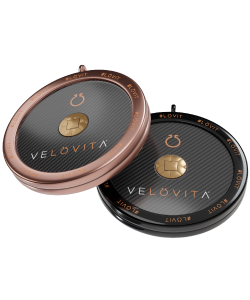
We all make choices in what we “Consume”. And watching what we choose for clothing matters. Consider this choice: the tuün® RESONATE. For all of us the tuün® RESONATE medallion is something we should be wearing all the time. More Details Here.
The Relationship between Fabric Frequencies and Wellbeing
Dr Yellen’s study suggests there is a relationship between the fabric frequencies and human health. Specifically, high-frequency fabrics like linen, hemp, organic cotton and wool generate energy. The study notes that that low-frequency synthetics might drain it.
Which is an interesting take on our understanding. And should have us considering the materials we wear and their impact on our energy and wellbeing. We should want high frequency in our clothing, and avoid the Low Frequency.
Linen: High-Frequency and Known as the “Healer Clothes”
Linen fabric is the standout fabric in Yellen’s study with a high frequency of 5,000. This is 50 times higher than the human body’s frequency, which averages around 100. With linen’s high frequency; it suggests that it could impart energy to the wearer, boosting vitality and well-being.
Historically, linen has always been revered for its healing properties, often used in bandages, linen sheets and clothing. And its known for its natural resistance to bacterial growth and fungi.
Wool: Warm and it delivers High Frequency
Like linen, wool resonates at a frequency of 5,000. Renowned for its warmth and comfort, wool’s high frequency suggests more than just physical warmth; it could also energize a person who is wearing this on a vibrational level. However, when linen and wool are worn together, their frequencies are nullified. They cancel each other out. So wear linen or wool but not together.
Organic Cotton: Harmonizing with the Body. Cotton is a win.
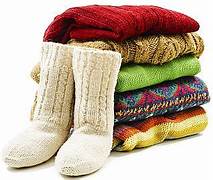
Organic cotton stands out with a frequency of 100. The same 100 that a healthy body rests at. This is mirroring the human body’s frequency. NOTE: non organic is shown to have a lower frequency of about 70. and is not as harmonizing as organic cotton (100).
Silk: Low Frequency and Not as Great as History has Tried to Make it Seem
Make note of silk. Dr Yellen’s study concluded that silk was measured at a frequency of just 10. This incredibly low frequency may come from the processing methods and chemicals used. In conclusion, silk may feel nice to the touch but the nergy produced is not enough of what we need.
Rayon and Synthetic Fabrics: Low Frequency as Expected
In the study, rayon resulted in testing at a frequency of 15. And synthetic fabrics like polyester, acrylic, and nylon tested with a zero frequency. As a result these are harmful to the environment as well as to our bodies.